
Health, education and a decent standard of living are the key elements to ensure human development. The EU works with partners countries to support health systems and infrastructures, education policies, social protection and to reduce inequalities.
Programmes
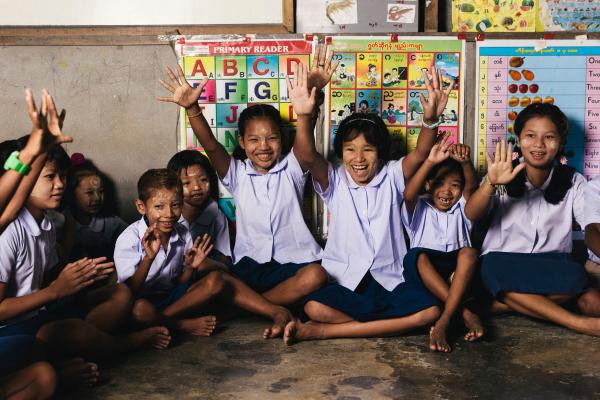
The BRiCE Programme was set up by the EU to help 72 million children living in crisis-affected countries who are in need educational support.
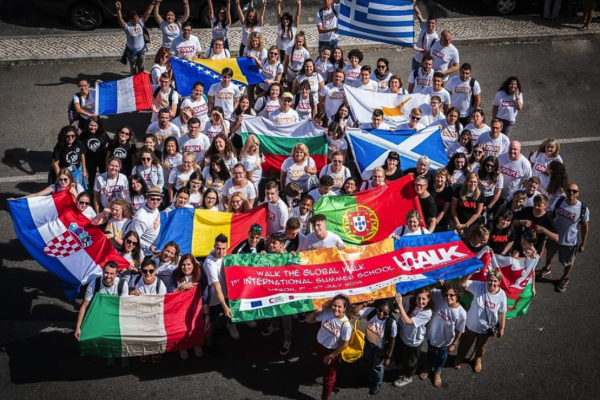
The DEAR Programme supports projects that engage Europeans in global issues related to social, economic and environmental development.
Transcultura Programme seeks to harness diversity, build bridges between people and cultures of different linguistic areas, and foster the role of culture, heritage and creativity.
Latest news
As the Nutrition for Growth Summit draws to a close in Paris today, Team Europe is reinforcing its leadership and commitment to fighting the global malnutrition crisis. Taken together, the Team Europe commitments amount to at least €6.5 billion between 2024 and 2029.
On 24-25 March, Commissioner for International Partnerships Jozef Síkela went on a mission to Rome to meet with both Italian and UN stakeholders like the Food Agricultural Organisation (FAO), the International Fund for Agricultural Development (IFAD) and the World Food Programme (WFP).
The European Union and Costa Rica have further enhanced digital connectivity and technological sovereignty with the signing of a Memorandum of Understanding between Costa Rica’s Ministry of Science, Innovation, Technology and Telecommunications and Hispasat, a leading European satellite provider.
Related stories
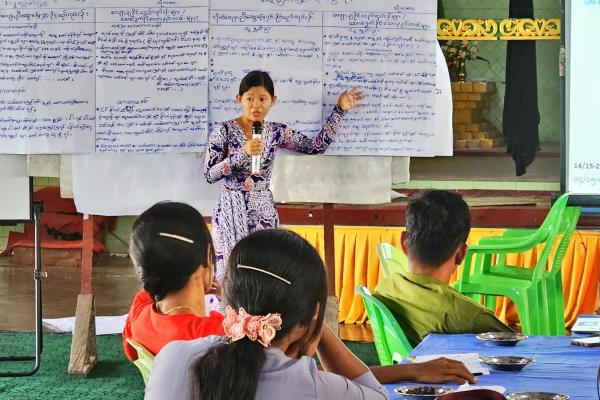
With EU support, Ma Khine, a woman leading a local organisation in Myanmar, has been able to strengthen her knowledge on climate change. She has used her newly acquired skills to educate communities by proposing collective actions and solutions to address these issues.
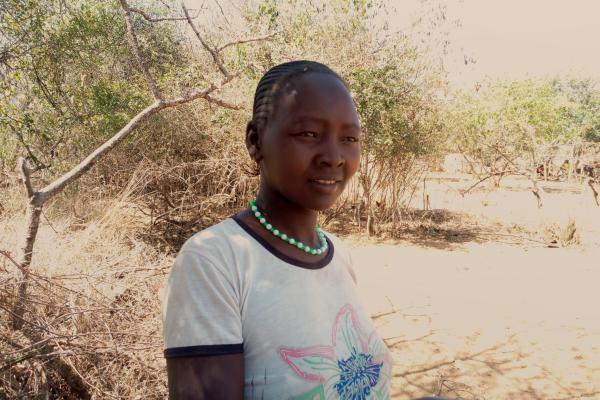
Many women in Eastern Uganda have undergone female genital mutilation. Communication for Development Foundation Uganda advocates for ending this harmful practice. The work of the activists is supported by the Spotlight Initiative, a strategic partnership between the EU and the UN.
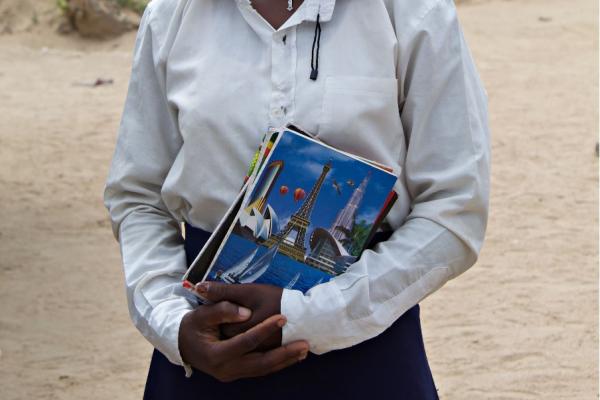
Activists in Mozambique are making an effort to ensure girls have the right to continue their studies to protect them from child marriage. This is done in the framework of Spotlight Initiative, a strategic partnership between the EU and the UN.